652ab1a3f27ff

Why Every Forex Broker Needs a White Label Mobile Trading App

Mobile trading accounts for the majority of retail forex sessions globally. If your brokerage does not have a dedicated, branded mobile app, you are losing clients to brokers who do. A white label mobile trading app is no longer a luxury — it is a baseline expectation for any serious forex broker in 2025.

What Is a White Label Mobile Trading App?

A white label trading app is a fully functional, production-ready mobile application rebranded and configured for your brokerage. Rather than building from scratch — a process that takes many months and significant investment — you deploy a proven, battle-tested app under your brand within days.

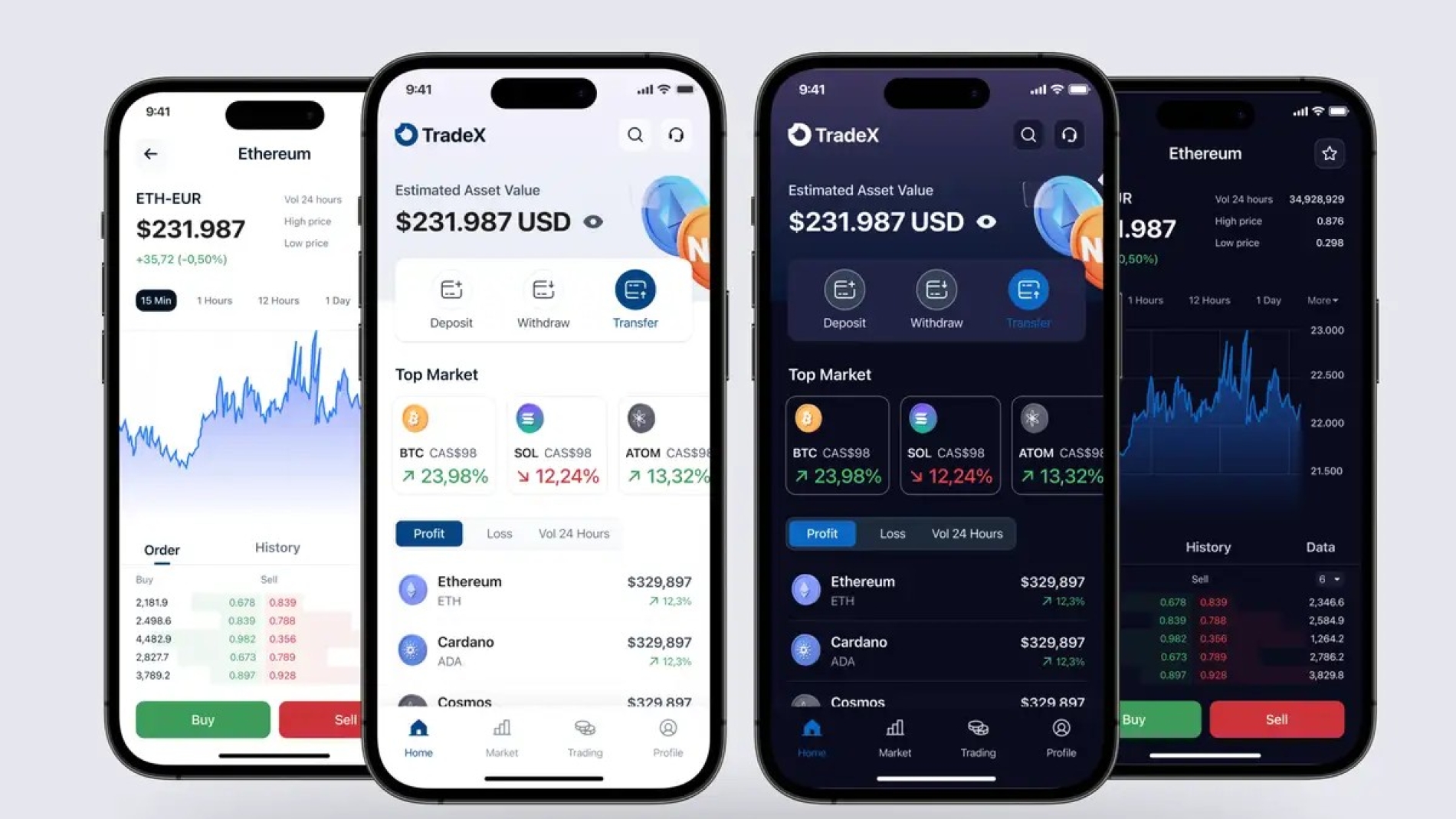
The ForexPlatforms.Pro Mobile Trading App is available on both iOS and Android and includes everything a retail trading client needs from day one.

What a Professional Forex Mobile App Must Include

Live Market Datafeed

A trading app without live prices is useless. The platform includes a free, integrated datafeed covering top international forex pairs, commodities, and cryptocurrencies — all streaming in real time. There is no additional datafeed subscription to manage or pay for.

Social Follow Copy Trading

The single most powerful client retention tool in modern retail brokerage is copy trading. The app includes Social Follow Copy Trading built directly into the interface — clients can browse a leaderboard of top traders, follow a manager with one tap, and automatically mirror their positions. This is a core feature, not an add-on. See the full Social Follow Copy Trading system for details.

Full Branding and Customisation

The app is fully brandable: your logo, color scheme, app icon, and store listing. Clients who download it see your brand throughout their entire experience — not a generic third-party platform. Customization extends to the feature set as well, so the app reflects your exact product offering.

iOS and Android, Simultaneously

The app is deployed on both platforms at the same time. You are not choosing one audience over the other. Both Apple App Store and Google Play Store versions are available, with TestFlight builds available for pre-release testing.

Why Not Just Use MT4/MT5 Mobile?

MetaTrader’s official mobile apps are generic and branded with MetaTrader’s identity — not yours. They offer no customization, no integrated copy trading, and no ability to differentiate your offering in the market. Clients using the MT app have no brand loyalty to your brokerage; they are loyal to the MetaTrader brand.

A white label app creates a direct, daily touchpoint between your client and your brand — every time they check prices, place a trade, or follow a copy trader, they are inside your product.

The Competitive Case

Retail forex is a crowded market. Spreads are compressed, bonuses are regulated in many jurisdictions, and most platforms are visually interchangeable. A high-quality, branded mobile experience is one of the few genuine differentiators remaining. Brokers who prioritized mobile-first experiences early consistently show higher client retention and lifetime value.

Ready to give your clients a branded mobile trading experience? See the full specification at Mobile Trading App for Forex Brokers.

social follow copytrading forex

Social Follow Copy Trading: How to Add It to Your Forex Broker Platform

Copy trading is one of the most powerful client acquisition and retention tools in retail forex. It lowers the barrier to entry for inexperienced traders and gives profitable traders a way to monetize their performance. The social follow copy trading model adds a public, community-driven layer — traders share their performance on a live leaderboard and others follow them — creating a network effect that makes your platform more valuable the more traders use it.

How Social Follow Copy Trading Works

The model involves three participants: the broker, the master trader, and the follower.

  1. Master traders trade normally on their own accounts. Their performance is tracked and published on a real-time leaderboard.
  2. Followers browse the leaderboard, review performance statistics, and choose which masters to copy.
  3. When a master opens a trade, the system replicates it proportionally across all follower accounts in real time — automatically, with no manual intervention.
  4. Profit is distributed to master traders according to rules the broker configures — weekly, monthly, or on a custom schedule.

The Leaderboard: Your Platform’s Shop Window

The leaderboard is the commercial engine of a social follow system. The ForexPlatforms.Pro Copy Trading platform publishes real-time rankings of all active master accounts, including performance metrics and statistics, so followers can make informed decisions about who to copy.

A well-designed leaderboard drives two important behaviors: it motivates high-performing traders to trade more actively to maintain their ranking, and it gives non-traders a genuine reason to deposit — they do not need trading skill to participate and profit.

Unlimited Master-to-Slave Copying

The system supports one master account being followed by an unlimited number of slave accounts simultaneously. There is no cap on followers per master — essential for popular traders who attract large followings. Position replication runs in real time via the MetaTrader Manager API, ensuring minimal latency between master execution and follower fill.

Flexible Profit Distribution

Managing performance fees manually is error-prone and time-consuming. The system automates the entire process:

  • The broker sets the profit-sharing percentage
  • Distribution runs on a configurable schedule — weekly, monthly, or custom
  • All calculations and payouts are handled by the platform with full reporting

This eliminates a significant administrative burden and prevents the disputes that arise from manual calculations.

Deep CRM and App Integration

The copy trading system is not a standalone product. It integrates directly into your broker CRM via the Manager API — copy trading sits inside the same ecosystem as your client portal, account management, and compliance tools. Clients access it through their standard login, and broker admins manage it through the same back office.

It also integrates natively into the Mobile Trading App, so clients can follow copy traders from their phone with a single tap.

Why Social Copy Outperforms Traditional Managed Accounts

Traditional managed account structures are opaque — the follower has no visibility into who is managing their money or how they are performing relative to peers. The social follow model makes all performance data public and competitive. That transparency builds trust, drives engagement, and gives your platform a community dimension that managed accounts simply cannot replicate.

Ready to add copy trading to your broker? See the full platform at Social Follow Copy Trading for Forex Brokers.

API

MT4/MT5 Manager API: What It Is and Why Every Forex Broker Needs One

Every forex broker running MT4 or MT5 needs a way for their back-office systems to communicate with the trading server. The bridge between your CRM, client portal, and MetaTrader infrastructure is the Manager API. Without it, every account creation, leverage update, and deposit confirmation requires manual intervention. With it, everything runs automatically.

What Is the MetaTrader Manager API?

MetaTrader 4 and MetaTrader 5 both expose a Manager API — a programmatic interface that allows authorized applications to query and control the trading server. Through this API, a broker’s CRM can:

  • Create and delete trading accounts automatically when a client registers
  • Update leverage and account groups in real time
  • Open, modify, close, and list all orders and positions
  • Pull account balance, equity, and statistics data
  • Enforce drawdown rules by closing positions programmatically

Without the Manager API, none of this is possible. A broker operating without it is running their back office manually — manageable at ten clients, completely unscalable at a thousand.

Why Swagger-Based REST Matters

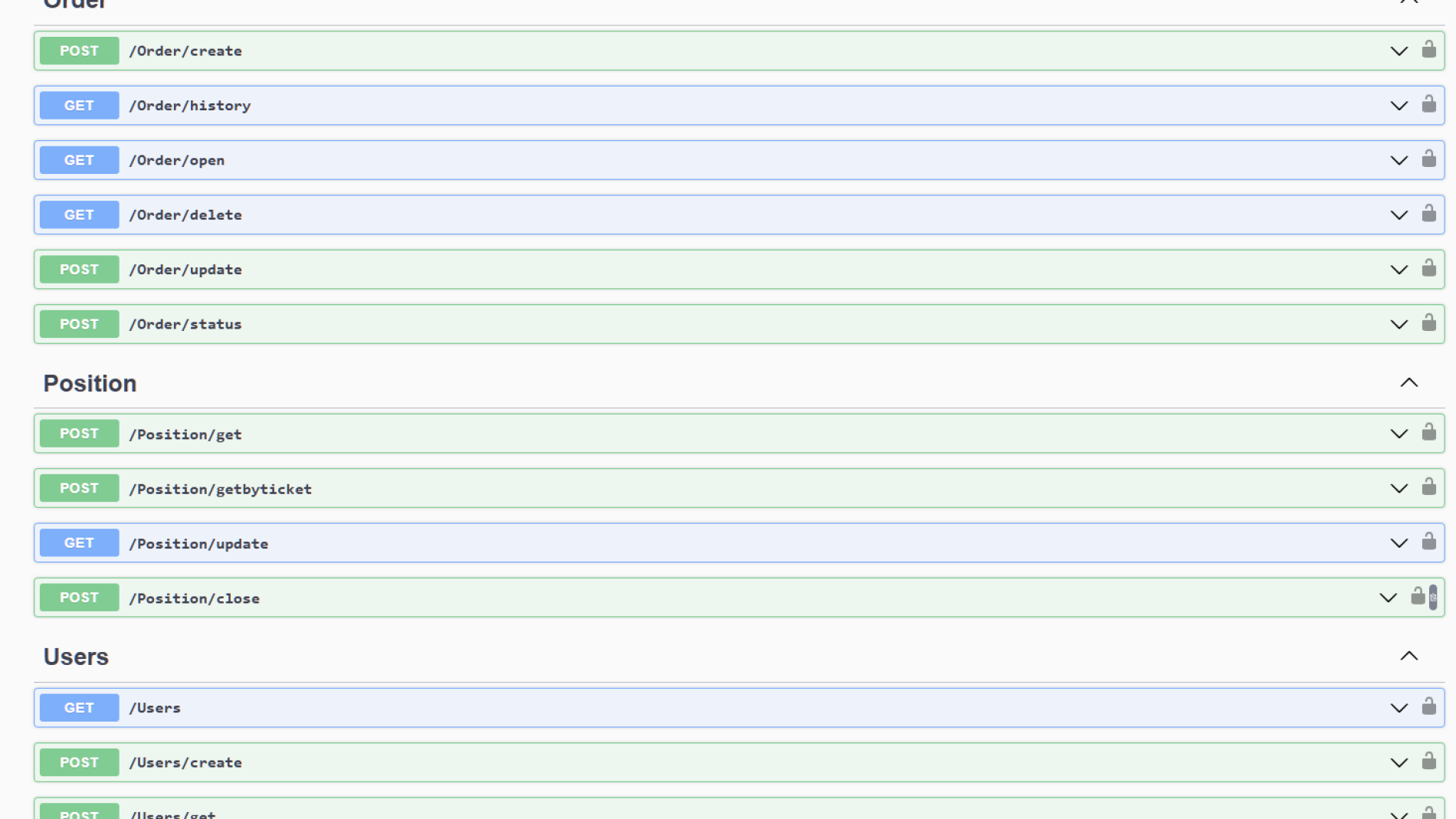
The native MetaTrader Manager API is a C++ library with a steep learning curve and complex integration requirements. The ForexPlatforms.Pro Manager API wraps this into a clean, Swagger-documented REST API that any developer can integrate in hours rather than weeks.

Swagger (OpenAPI) documentation gives you every endpoint with full request and response schemas, the ability to test calls live in a browser before writing code, auto-generated client libraries in any language, and a team that can onboard without specialist MetaTrader knowledge.

Key Features

WebSocket Quotes Streaming

Real-time pricing is non-negotiable for any client-facing tool. The API includes WebSocket integration to stream live bid/ask quotes directly to your CRM, mobile app, or web portal — no polling required, no latency spikes.

Order Management

Create, modify, delete, and list all open orders and positions from a server-side API call. This is the foundation for any automated risk management, trade mirroring, or prop challenge enforcement system.

Drawdown Plugin

The integrated drawdown plugin monitors account equity continuously. When an account’s drawdown reaches a defined threshold, it automatically closes all open positions — a critical feature for prop trading firms and any risk-controlled account structure.

Social Follow Copy Trading Integration

The API integrates natively with the Social Follow Copy Trading system. You can add a fully functional copy trading module to your CRM using the same API — no separate middleware layer required.

User Management

Full account lifecycle management through the API: create accounts, change leverage, move accounts between groups, update passwords, and delete accounts — all via a single authenticated API call.

MT4 and MT5: Both Supported

The API covers both MetaTrader 4 and MetaTrader 5 server instances. If you run a multi-platform operation or are in the process of migrating from MT4 to MT5, the same API surface handles both without separate integrations.

Who Needs a Manager API?

Any broker operating MT4 or MT5 with a client portal, a CRM, or an automated onboarding flow needs a Manager API integration. If your team is still manually creating accounts in MetaTrader Manager, you have already outgrown that workflow.

Ready to automate your broker back office? Explore the full MetaTrader Manager API and test it live in the Swagger demo.

proptrading-blog

What Is a Prop Challenge Broker and How to Launch One

Prop trading firms have grown explosively over the last three years. At the heart of this growth is the prop challenge model — a structure where traders pay a fee to attempt a funded account evaluation. For brokers, it represents a significant and repeatable revenue opportunity. This guide explains what a prop challenge broker is and how you can launch one.

How the Prop Challenge Model Works

  1. A trader pays a challenge fee to access a simulated funded account
  2. They must hit a profit target within a set period without breaching a drawdown limit
  3. Traders who pass receive a funded account and split profits with the firm
  4. The broker earns from challenge fees and, in some structures, from spread on the funded accounts

The model is commercially attractive because the majority of traders fail the challenge — meaning the fee is effectively recurring revenue. Those who pass represent a skill-filtered group trading with firm capital under controlled risk parameters.

What a Prop Challenge Broker Platform Needs

Running a prop firm is operationally complex without the right software. A purpose-built Prop Challenge Broker System handles all of it automatically.

Trader-Facing Features

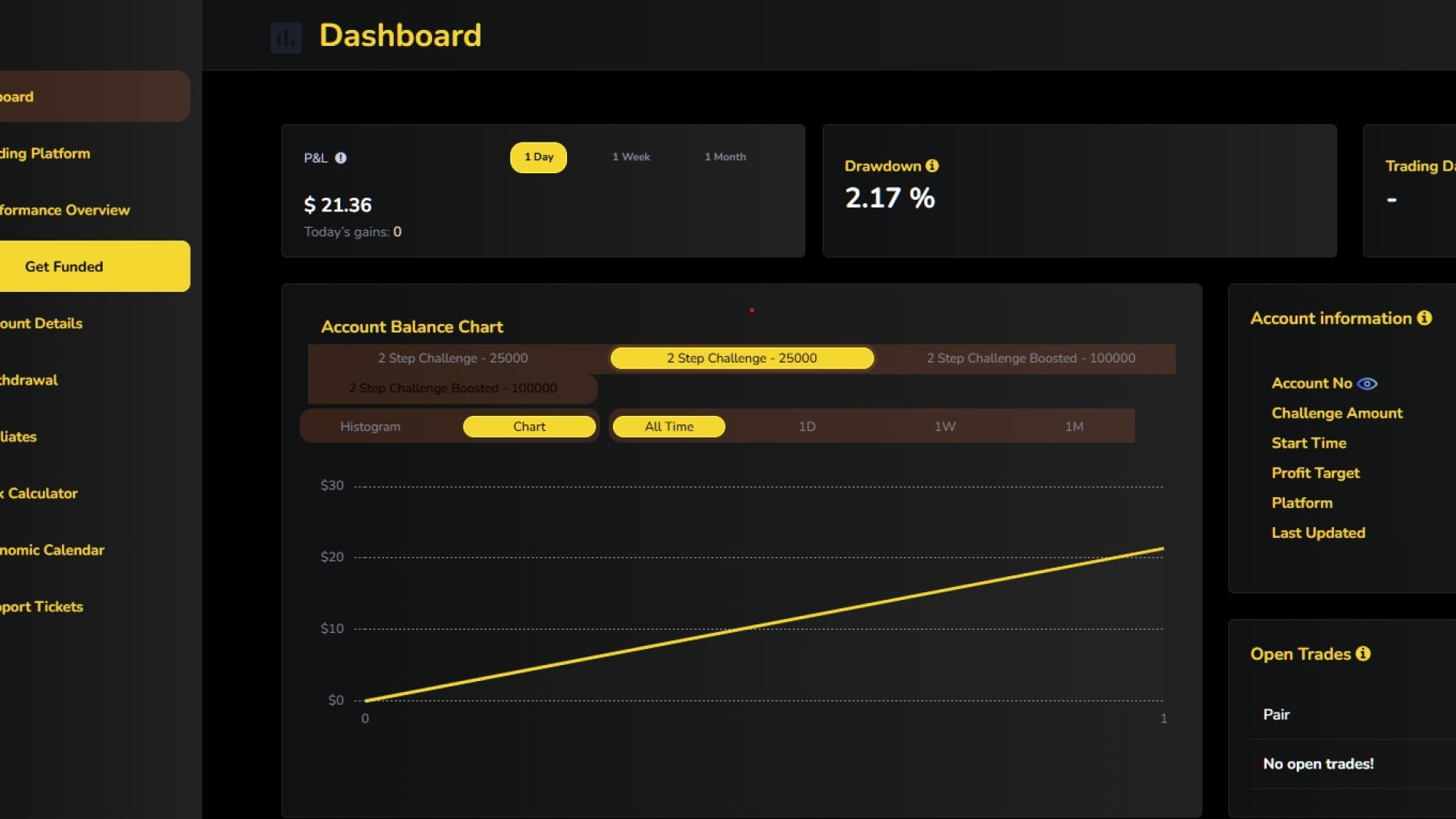
  • Real-time interactive charts — Traders monitor their challenge progress live
  • In-depth account statistics — Win rate, drawdown, and profit factor all visible in the portal
  • Multiple concurrent challenge accounts — A trader can run several evaluations simultaneously
  • Coupon system — Issue discount vouchers for promotions and affiliate campaigns
  • Affiliate system — Traders refer other challengers and earn commissions
  • 2FA with OTP — Secure authentication on every account

Admin and Back-Office Features

  • Drawdown plugin integrated — Automatically monitors and enforces drawdown rules in real time
  • Payment systems — Accept challenge fees via integrated payment gateways
  • Account monitoring dashboard — Watch all active challenges and trader progress live
  • Unlimited MLM and affiliate levels — Build a multi-tier partner network promoting your challenges
  • Multi-platform support — Compatible with both MT4 and MT5

Why the Drawdown Plugin Is the Most Critical Component

The drawdown plugin is what makes a prop challenge operationally viable at scale. It calculates each account’s drawdown in real time and can automatically close all open positions the moment a trader breaches their limit — without any manual intervention. Without this, enforcing challenge rules across hundreds of accounts is impossible.

Launch Timeline

A fully branded prop challenge broker can be live within 24 hours for a standard setup. Custom rule sets, additional challenge tiers, or specific platform requirements may extend this slightly, but the core system is deployment-ready immediately with no long-term contract required.

Is the Prop Challenge Model Regulated?

Regulatory treatment of prop firms varies by jurisdiction and continues to evolve. Some structures are treated as financial services requiring licensing; others fall into different categories. Always seek qualified legal advice specific to your jurisdiction before launching.

Ready to launch your own prop trading firm? See the full feature set at Prop Challenge Broker System.

Bridge banner ForexPlatforms.

What Is a Forex Liquidity Bridge and Do Startup Brokers Need One?

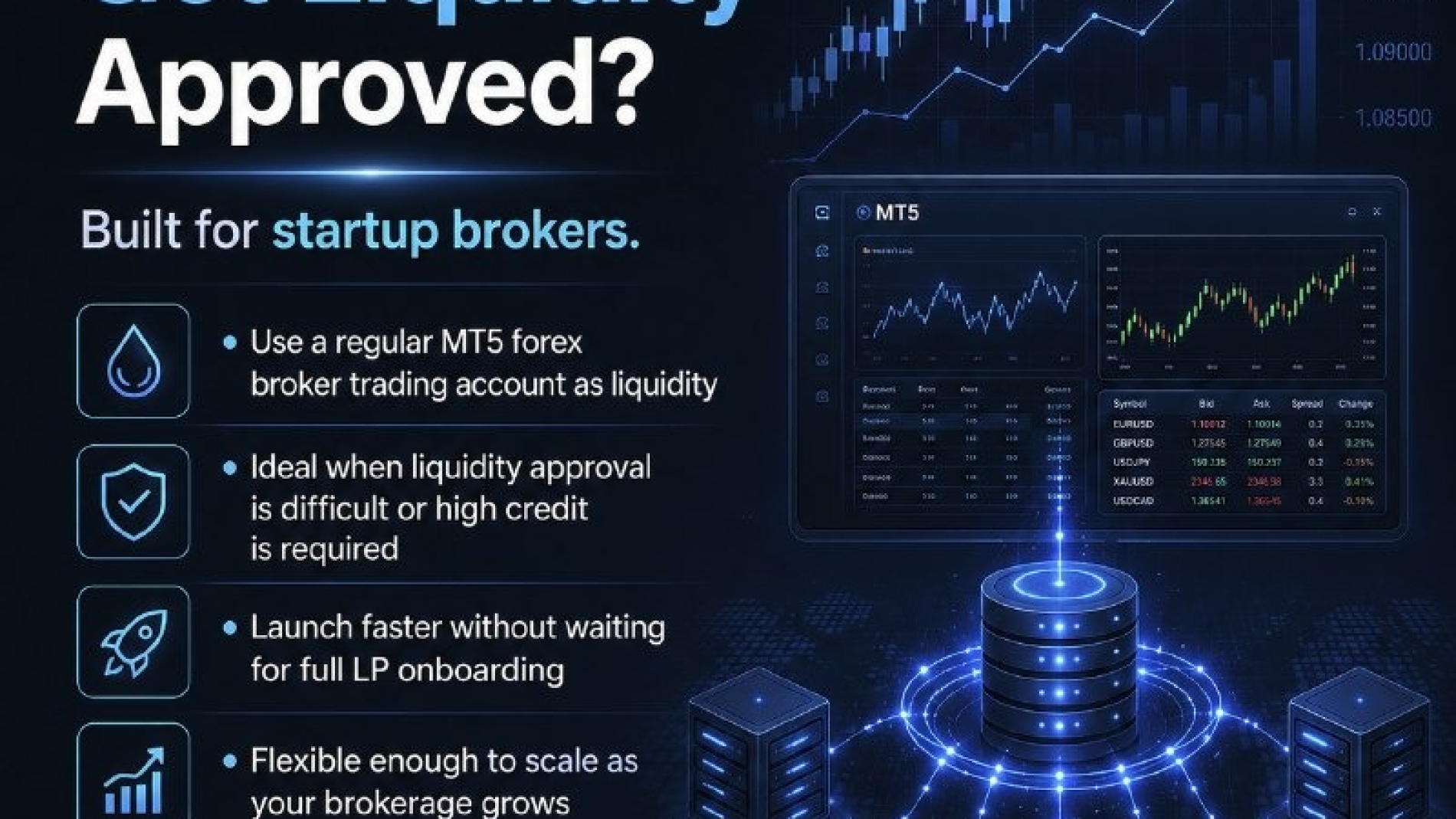
One of the hardest problems a startup forex broker faces is getting liquidity. Established liquidity providers typically require a track record, a licensed entity, and minimum volume commitments — barriers that effectively shut out new entrants. A forex liquidity bridge built around an MT5 trading account changes that equation entirely.

What Is a Forex Liquidity Bridge?

A liquidity bridge is software that sits between your MT4 or MT5 server and a liquidity source. When a client places a trade on your platform, the bridge routes that order to the liquidity provider — or your internal book — according to predefined execution rules. The client sees a seamless execution; under the hood, the bridge manages order flow, pricing, and risk exposure.

The Startup Liquidity Problem

Traditional liquidity providers — banks, prime brokers, ECNs — require brokers to pass an onboarding process that includes legal documentation, regulatory licensing, and volume guarantees. A startup broker with no trading history and no regulated entity will be rejected by most tier-one and tier-two LPs.

This creates a classic catch-22: you need liquidity to launch, but you cannot get liquidity without a track record.

The MT5 Account Solution

The ForexPlatforms.Pro Liquidity Bridge solves this with a practical approach: use a regular MT5 forex broker trading account as your liquidity source. Any individual or company can open an MT5 account with an existing broker — no LP approval process, no volume commitment, no regulatory entity required.

Your bridge connects to this MT5 account as the upstream, routing your firm’s order flow through a live, liquid market from day one.

Core Bridge Features

  • MT5 account as liquidity — Use any standard MT5 trading account as your upstream source immediately
  • FIX Protocol support — Connect to traditional institutional liquidity providers when you are ready to scale
  • Multiple liquidity destinations — Map different client groups to different liquidity sources
  • Execution rules engine — Configure reverse trading, symbol filtering, account filtering, and volume range rules on the fly
  • Custom routing — Route specific accounts or entire MT5 groups to specific liquidity sources

Execution Rules: Managing Risk Intelligently

Not all order flow should be treated equally. A bridge with a flexible rules engine lets you internalize low-risk retail flow, hedge large or concentrated positions externally, filter which symbols are routed upstream, and apply reverse trading for specific account types. This level of control is what separates a professional-grade bridge from a simple pass-through relay.

FIX Protocol: The Path to Scaling

As your broker grows and your volume justifies a direct LP relationship, the bridge supports FIX Protocol natively. You switch or add a liquidity source without replacing your infrastructure — the same bridge scales with your business.

Setup and Pricing

Bridge setup completes within 24 hours for standard configurations. The monthly subscription model means no long-term commitment while you validate your model and build your client base.

Struggling to get liquidity approved? The Liquidity Bridge for Startup Brokers was built specifically for this problem.

crm screenshot

How to Launch Your Own Forex Broker in 24 Hours

Starting your own forex brokerage used to take months of licensing applications, technology procurement, and six-figure investments. Today, with a white label forex broker CRM package, you can launch a fully operational broker in as little as 24 hours. Here is exactly how it works.

What Does a Forex Broker Package Actually Include?

A full forex broker package is not just a trading platform. It is an entire ecosystem that handles everything a broker needs to operate — from client onboarding to trade execution to back-office management.

At ForexPlatforms.Pro, the Forex Full Broker Package includes:

  • A branded Traders Portal where clients open accounts, deposit, withdraw, and trade
  • Automatic deposit and withdrawal processing via integrated payment systems
  • KYC (Know Your Customer) system with one-click approval or rejection
  • MT4 and MT5 trading account management — open, update, and close accounts on the fly
  • A built-in affiliate and MLM system with unlimited levels
  • Social follow copy trading integrated directly into the client portal
  • 2FA security with OTP for all accounts

On the admin side, broker operators get a powerful back-office suite with lead management, VOIP integration, multi-role access control, support ticket management, and real-time account monitoring.

The 24-Hour Launch Process

Most people assume launching a broker takes weeks of technical work. In practice, the setup process is streamlined into a single deployment:

  1. Brand configuration — Your logo, colors, and domain are applied to the platform
  2. Payment gateway integration — Connect your preferred payment processors
  3. MT4/MT5 server setup — Link your existing platform or use one from the provider pool
  4. KYC rules and account tiers — Configure your compliance requirements
  5. Go live — Your branded broker is open for business

Customizations and additional feature integrations may extend the timeline, but the core system is production-ready within a day.

Do You Need a Forex License to Start a Broker?

Licensing requirements vary significantly by jurisdiction. Some operators launch under an existing regulated entity or white-label arrangement while pursuing their own license. The technology itself does not require a license — it is your business structure and the jurisdictions you accept clients from that determine your compliance obligations. Always consult a legal advisor familiar with forex regulation in your target markets.

No Long-Term Contracts

One of the most common concerns for new broker operators is being locked into expensive long-term agreements. The package operates on a monthly basis — there are no long-term contracts, and you keep 100% of your profit. The provider does not take a cut of your revenue.

Can You Use Your Own Trading Platform?

Yes. If you already have an MT4 or MT5 server, you can connect it directly. If you do not, a platform from the provider pool is available to get you started immediately.

Is a White Label Forex Broker Worth It?

Building a forex broker from scratch requires a technology team, licensing, server infrastructure, payment integrations, and typically hundreds of thousands in startup costs. A white label package eliminates all of that and delivers a battle-tested system that handles real client volume from day one. For entrepreneurs, fund managers, and IB networks looking to step up to full broker status, a white label package is not just convenient — it is the only realistic path to market at speed.

Ready to launch your forex broker? Explore the full Forex Full Broker Package and get started today.

forexcrm

Forex Broker CRM: The Features That Actually Matter

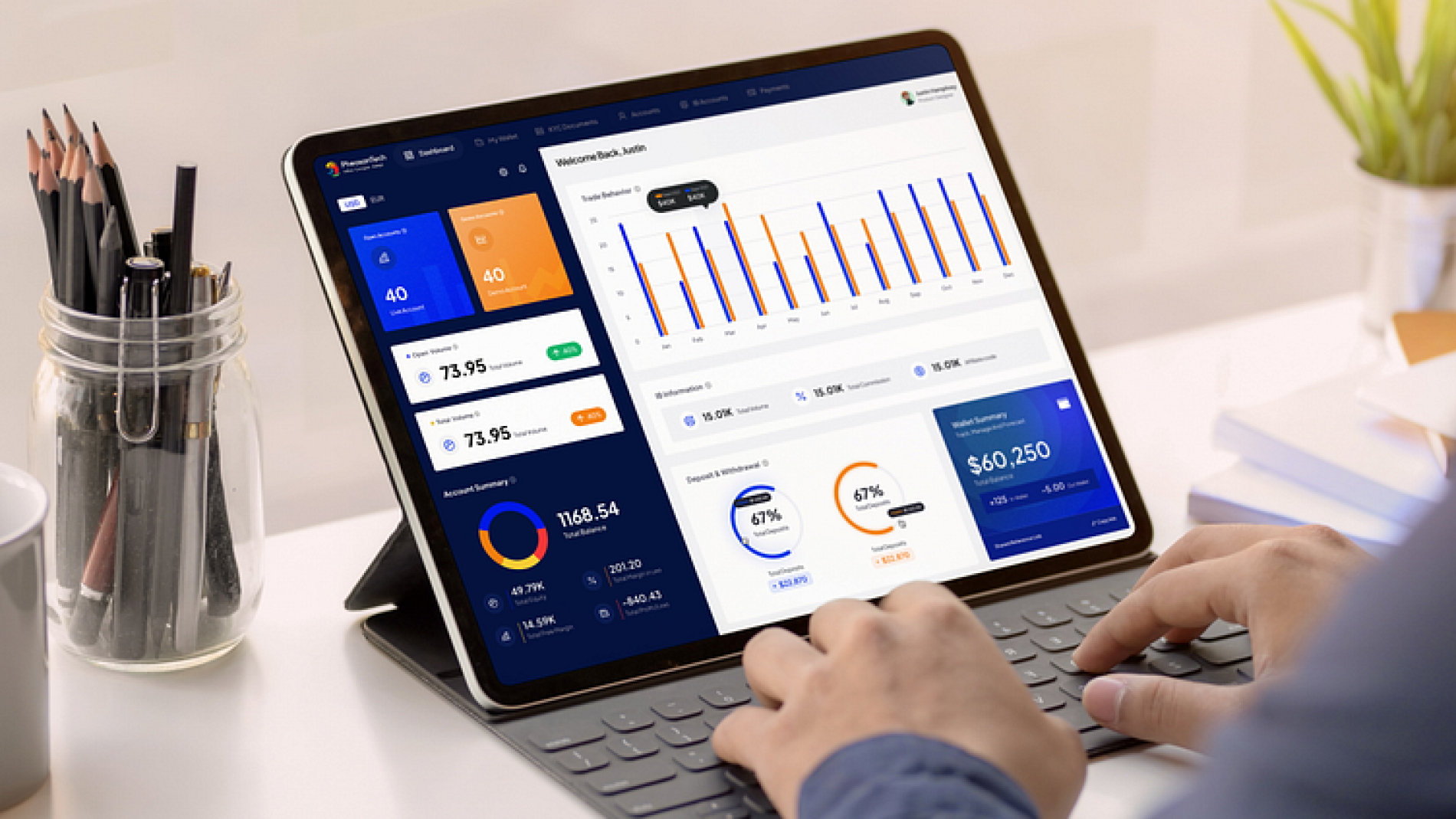
A forex broker CRM is the operating system of your brokerage. It is what your clients log into every day, what your compliance team uses to approve accounts, and what your sales team uses to manage leads. Get it right and your broker runs smoothly at any volume. Get it wrong and you are drowning in manual work from day one.

The Client-Facing Traders Portal

The traders portal is the front door to your brokerage. It must handle the full client lifecycle without involving support staff for routine tasks:

  • Account opening — Clients open MT4 or MT5 trading accounts instantly. The system provisions the account on the trading server and sends login credentials automatically.
  • Deposits and withdrawals — Automated processing via integrated payment gateways. No manual approval queues. Slow withdrawals are the fastest way to damage your reputation.
  • KYC document submission — Clients upload their ID and proof of address from the portal. Your compliance team approves or rejects with one click.
  • Account management — Change leverage, view statements, open additional accounts, and switch between accounts from a single dashboard.

The Admin Back-Office

Your internal operation needs visibility and control over every account on the platform:

  • Lead management with VOIP — Every inquiry captured, assigned to a sales rep, and followed up. Agents call directly from the CRM without switching applications.
  • Multi-role access control — Compliance, support, finance, and management all need different access levels. Role-based permissions prevent data leaks and unauthorized actions.
  • Real-time account monitoring — Live balances, open positions, margin levels, and drawdown across every client account on the platform.
  • Reporting — Revenue by IB, deposits by payment method, new client registrations, active trader counts. Decisions require data.

IB and Affiliate System

Most forex brokers grow through introducing brokers. The CRM must support unlimited-level affiliate structures where each IB sees their own client list and earnings in real time. Automated commission payouts eliminate disputes. IBs that cannot verify their own data in real time do not stay your IBs for long.

Live MT4/MT5 Integration

The CRM and trading platform must stay in sync. Account creation, deposits, withdrawals, and leverage changes all need to reflect on the MT4/MT5 server instantly. A Swagger-based MetaTrader Manager API gives your CRM a clean REST interface to the trading server instead of the older, fragile manager library connections.

Copy Trading Integration

Adding copy trading after launch is always a messy integration. If you plan to offer it, make sure the CRM supports it natively or connects to a social follow copy trading module that handles master-to-slave account linking and profit distribution automatically.

What to Check Before You Buy

Before signing up for any broker CRM, verify three things: (1) it has genuine live MT4/MT5 integration, not a daily CSV reconciliation, (2) all the payment gateways you need are included — not sold as add-ons, and (3) there is a working demo you can test before committing.

The Forex Full Broker Package includes every feature described above — traders portal, automated KYC, multi-level IB system, live MT4/MT5 sync, and social copy trading — deployable in under 24 hours.

crm screenshot

White Label Forex Platform: A Complete Guide Before You Buy

The phrase “white label forex platform” gets used loosely. Depending on who is selling it, it can mean anything from a skinned MetaTrader terminal to a fully operational brokerage system with CRM, payment processing, and client portals. Before you commit to anything, you need to know exactly what you are buying.

What White Label Actually Means

A white label in forex is a pre-built technology solution that you brand as your own. You do not build anything. You configure it, apply your logo and colors, connect your payment accounts, and open for business. The technology provider manages the infrastructure. You manage the client relationships and business growth.

The best white label solutions are invisible to your clients. They see your brand, your domain, and your support team — not the provider behind the scenes.

What a Complete White Label Package Includes

A bare-minimum white label is just a trading terminal. A complete white label for a forex broker should include:

  • Traders portal / CRM — The branded web application where your clients register, complete KYC, deposit funds, open trading accounts, and withdraw.
  • MT4 and MT5 connectivity — Your trading server or access to one from the provider pool. Client accounts provisioned automatically via the CRM.
  • Payment gateway integration — At minimum, card processing and crypto. Additional processors as your markets demand.
  • KYC and compliance tools — Document upload, verification workflows, and audit trails for regulatory purposes.
  • IB and affiliate module — Multi-level introducing broker management with real-time reporting and automated payouts.
  • Back-office — Admin dashboard for your team to monitor accounts, approve transactions, manage leads, and generate reports.

What You Still Need to Provide

A white label package solves the technology problem. It does not solve the business problems. You still need a legal entity and bank account, a domain and branding, and a client acquisition strategy. The platform does not bring clients — it serves them after you find them.

The Difference Between Cheap and Functional

The market is full of white label offers at every price point. The dangerous ones require expensive custom development for basic functionality — like adding a second payment provider or enabling a two-tier IB structure. Always ask specifically about payment integrations, IB levels, and the MT4/MT5 connection mechanism before signing.

How Fast Can You Actually Launch?

With a ready-made system, the deployment timeline is a matter of configuration, not development. Connecting your domain, uploading branding assets, configuring payment accounts, and setting up your trading server access typically takes less than a day. The Forex Full Broker Package is built exactly for this — a complete white label deployment in under 24 hours, with no technical team required on your side.

Mobile Is Not Optional

In 2025, a significant share of active forex traders manage their accounts from a phone. A white label solution without a branded mobile trading app puts you behind brokers who offer one. Check whether the white label includes iOS and Android apps under your brand, or whether they are sold separately.

API

MT4 vs MT5 for Forex Brokers: Which Should You Choose?

MT4 or MT5 — every broker launching today faces this decision. Both platforms are from MetaQuotes. Both connect to the same ecosystem of traders, EAs, and liquidity providers. But they are different products with different strengths, and choosing wrong can create friction with your target client base.

Why MT4 Still Dominates

MetaTrader 4 was released in 2005 and remains the most widely used retail forex platform in the world. Traders know it, EAs and custom indicators run on it, and brokers have 20 years of operational experience with it. If your target clients are retail forex traders who have traded before, they likely have existing MT4 setups — terminals, EAs, and strategies — that they do not want to migrate away from.

The downside is that MetaQuotes stopped issuing new MT4 licenses to brokers several years ago. If you do not already have an MT4 server license, you cannot get one directly. You need to use a provider that already holds one.

Why MT5 Is the Future

MT5 was designed to address the limitations of its predecessor. Key differences for brokers:

  • Multi-asset support — MT5 natively handles forex, stocks, futures, and crypto on the same server. MT4 is forex and CFDs only.
  • More order types — Buy Stop Limit, Sell Stop Limit, and more granular pending order management.
  • Depth of Market — Real DoM display, useful for clients trading larger sizes.
  • MetaQuotes still issues MT5 licenses — New broker operations can get a legitimate MT5 server license directly.
  • Better API — A Swagger-based MT5 Manager API is significantly easier to integrate into a custom CRM than the older MT4 manager library.

The Practical Answer for New Brokers

If you are launching a new broker today and cannot source an MT4 license through a provider, MT5 is your path. It is a newer platform with better technology, active licensing, and a growing trader adoption curve. For brokers targeting experienced retail traders who are already MT4 users, offering MT5 alongside an existing MT4 setup via a provider pool is the best of both worlds.

What About the CRM Integration?

The choice of platform affects your CRM integration. Your broker CRM needs to create accounts, update leverage, trigger deposits and withdrawals, and monitor balances on whichever server you run. A well-built MetaTrader Manager API abstracts this into clean REST endpoints that work the same regardless of whether you are on MT4 or MT5.

Can You Run Both?

Yes. Many brokers run MT4 for legacy clients and MT5 for new account openings. Your CRM needs to support connections to both servers simultaneously — which the Forex Full Broker Package handles natively. This way you never force a migration on your existing client base while still offering the newer platform to new traders.

proptrading-blog

Prop Trading Challenge Rules: How to Design Them to Attract Serious Traders

The rules of your prop trading challenge are your product. Traders choose prop firms based on challenge parameters as much as brand or reputation. If your targets are too aggressive or your drawdowns too tight, serious traders will not attempt your challenge. If they are too easy, your payouts become unsustainable.

The Two Main Challenge Structures

Most prop challenge brokers offer one of two models:

  • Two-step evaluation — Phase 1 requires hitting a profit target (typically 8-10%) with a daily drawdown limit and an overall drawdown limit. Phase 2 repeats at a lower target (4-5%) to confirm consistency. Traders who pass both phases receive a funded account.
  • One-step evaluation — A single phase with a higher profit target (often 10%) and slightly tighter drawdown rules. Faster path to funding. Popular with traders who have a proven edge and do not want to spend time on a second phase.

Profit Targets: What the Market Expects

For a two-step model, the standard range is 8-10% for Phase 1 and 4-5% for Phase 2. Going significantly above 10% in Phase 1 reduces your conversion rate without meaningfully filtering better traders. For one-step challenges, 10% is the current market benchmark.

Drawdown Rules: The Most Debated Parameter

Two numbers matter:

  • Daily drawdown — The maximum loss allowed in a single trading day. 5% is the standard. Going below 4% is generally considered harsh by experienced traders.
  • Maximum overall drawdown — The total loss allowed from peak account balance at any point. 10% is standard for most challenge models.

Be explicit about whether your drawdown is calculated from starting balance or equity high-water mark. Ambiguity here is the single biggest source of trader complaints.

Time Limits: Keep Them Reasonable

Unlimited time challenges are gaining popularity because they remove pressure-based overtrading. If you do set a time limit, 30 days for Phase 1 is the minimum that does not frustrate traders with legitimate strategies. Consider a minimum trading days requirement (typically 5-10 days) to prevent lucky one-trade passes.

Profit Split on Funded Accounts

70/30 is table stakes. 80/20 is competitive. 90/10 is used as a marketing differentiator. Most prop firms report that fewer than 5% of challenge starters reach the funded stage, so the profit split cost is lower than it appears in marketing materials.

The Technology Behind the Rules

None of this is enforceable without real-time drawdown monitoring on the trading server. A prop challenge broker system that integrates with the MT4/MT5 drawdown plugin can automatically close all positions the moment a drawdown limit is hit — no manual oversight required. The admin panel must let you configure all parameters without touching any code.